Services
Physiotherapy for everyday life, exercise and sport
One-to-one physiotherapy in Richmond for pain and injury that is getting in the way of work, training or sport. Every plan starts the same way: a proper assessment, a plain explanation and a first step you understand.
Or start with where it hurts
Sports and everyday injuries
Back and neck pain, sore shoulders and knees, strains and tendon pain. You do not need to play sport to book.
This covers the problems seen in most physiotherapy clinics, including symptoms linked with work or daily activity. I assess what is sore, what has changed and what the problem is stopping you from doing. Treatment then settles symptoms where needed and rebuilds the movement, strength or tolerance your goal requires.
What the first appointment involves
An initial consultation is 45 minutes. We go through what happened and what makes it better or worse. I examine the area, explain what I think is going on and how sure I am, and we agree the first steps. Treatment starts on the day where it is appropriate.
Common questions
No. Most muscle, joint and tendon problems are assessed without one. If your history or examination suggests a scan would change the plan, I will explain why and talk you through the next step.
Usually not completely. Many problems settle better when you stay active within sensible limits. Part of the first appointment is working out what to keep doing, what to change and what to pause for now.
Sports and everyday injuries in detail →Book an appointment →More questions answered →
Cricket injuries
Assessment and rehabilitation for bowlers, batters and fielders, with your role and cricket workload built into the plan.
Hamstring and side strains, bowlers’ backs, shoulder problems and the smaller issues that build across a season. The cricket page covers what I assess, how rehabilitation is staged and my background in state, franchise and international cricket.
Cricket physiotherapy →Read: back stress fractures in fast bowlers →
Gym and lifting injuries
Shoulder, back and knee pain that shows up under load. The aim is to keep you training where it is safe, not to stop by default.
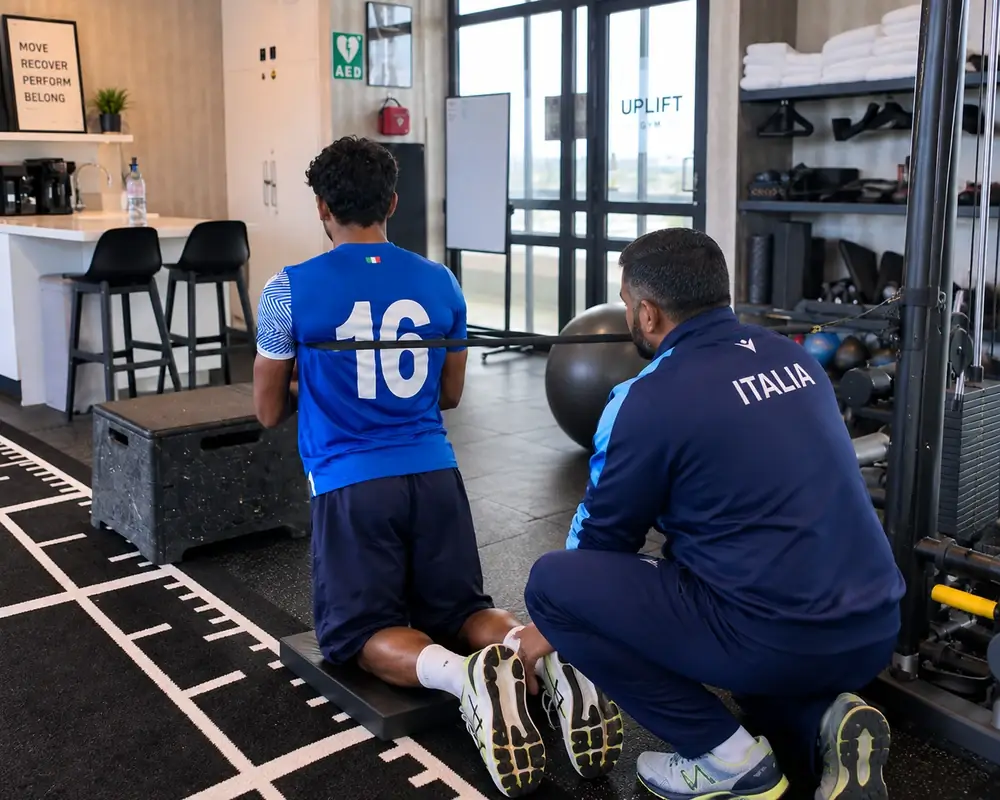
Symptoms often appear after a change in exercise, technique, volume or intensity. I assess the painful movement, your current program and the load you have been managing. Where it is safe, we modify training so you keep doing useful work while rebuilding capacity.
What the first appointment involves
An initial consultation is 45 minutes. Bring your current program and wear gym clothes. Being inside Uplift Gym means we test the lifts involved on the gym floor, not only on a treatment table.
Common questions
Often not. Most people keep training with changes to the exercise, load or range. We work out which movements to modify, which to keep and which to pause for now.
No. The clinic is independent. You do not need a gym membership to book or to use the gym space during your appointment.
Gym and lifting injuries in detail →Book an appointment →Return to sport testing →
Running injuries
Shin, knee, calf, Achilles and hip pain from running, assessed against your recent training. You leave with a staged plan back to the distances you want.
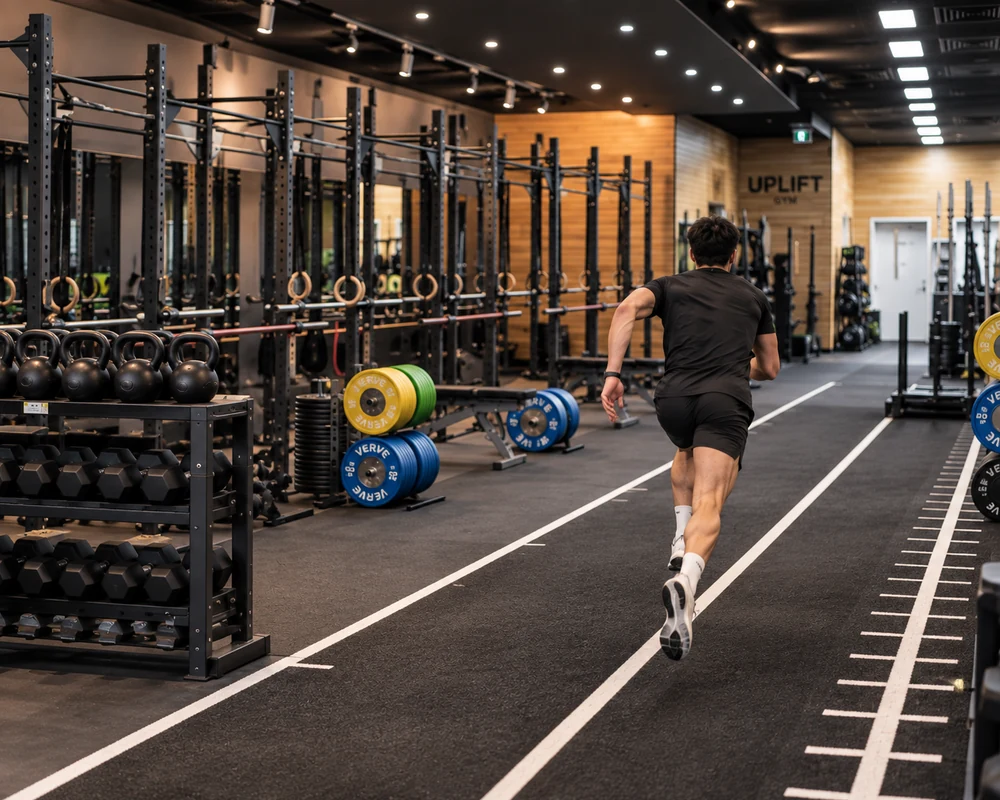
Running problems often reflect a mismatch between recent training and what the body is ready to tolerate. We review your symptoms, training history, recent changes and relevant strength or movement findings. From there, I set out what to reduce, what to keep and how to build running again.
What the first appointment involves
An initial consultation is 45 minutes. Bring the shoes you run in most and any record of recent training, such as a watch or app summary. Wear clothes you can run in. The gym’s indoor turf track gives us space to watch you move.
Common questions
Not always. Reducing volume, speed or hills is sometimes enough while symptoms settle. Some problems, such as a suspected bone stress injury, need a period off running. The assessment decides which applies to you.
Only when shoes look like part of the problem. Training load, recovery and strength usually matter more. If a change is worth trying, I will explain why.
Running injuries in detail →Book an appointment →Return to sport testing →
Return to sport and performance
Late-stage rehabilitation for the gap between feeling better and being ready for full training or competition. Decisions rest on testing, not the calendar alone.
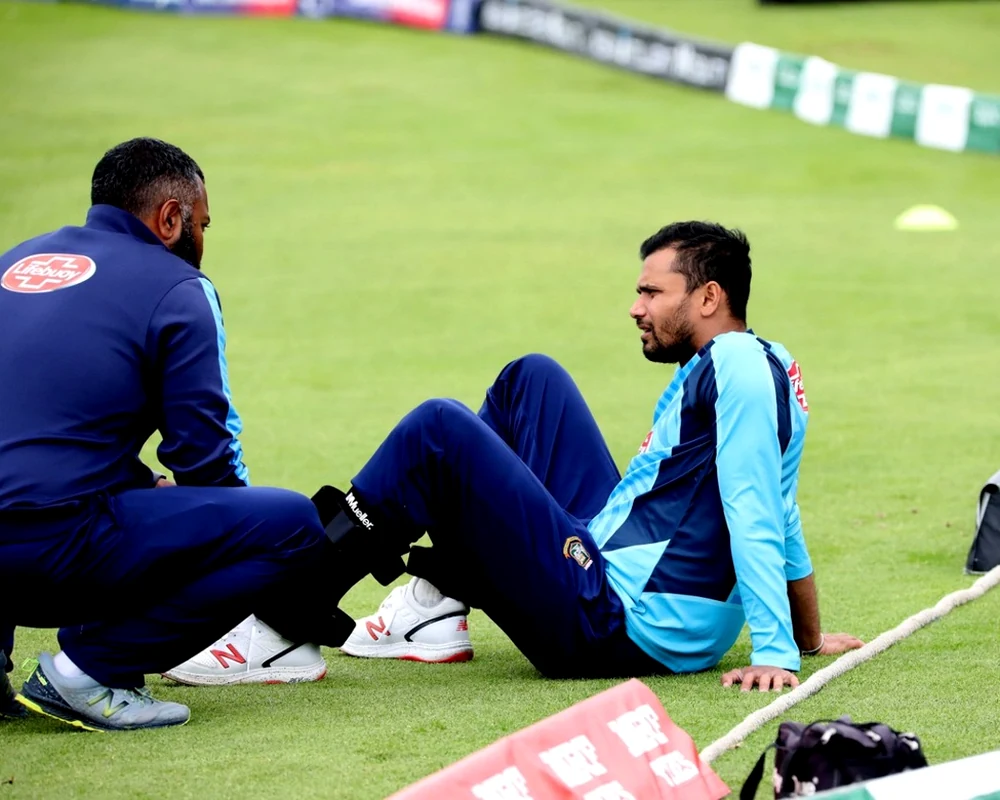
Pain settling is useful, but it does not always mean you are ready. I use relevant strength, power, movement and sport-specific testing to guide progression. The measures depend on the injury and the sport. Time since injury matters, but it is not the only test.
What the appointment involves
The Return to Performance Assessment is 60 minutes. Testing is chosen around your injury and sport. You receive a summary of where you are now, the gaps that remain and the next progression.
Common questions
It depends on the injury, your sport and how you perform on testing. Time since injury is one factor. Strength, movement and sport-specific measures guide the decision, and we agree the criteria before you start.
Yes, with your consent. I can send a summary of testing and the return plan to your surgeon, GP or other treating practitioner.
Not sure where your problem fits?
Book an initial consultation. The service labels help organise the website. Your assessment decides what the plan looks like.
If you prefer to ask first, call 0458 007 583.
Start with a proper assessment.
One physio, one-to-one appointments and a plan built around what you need to do.